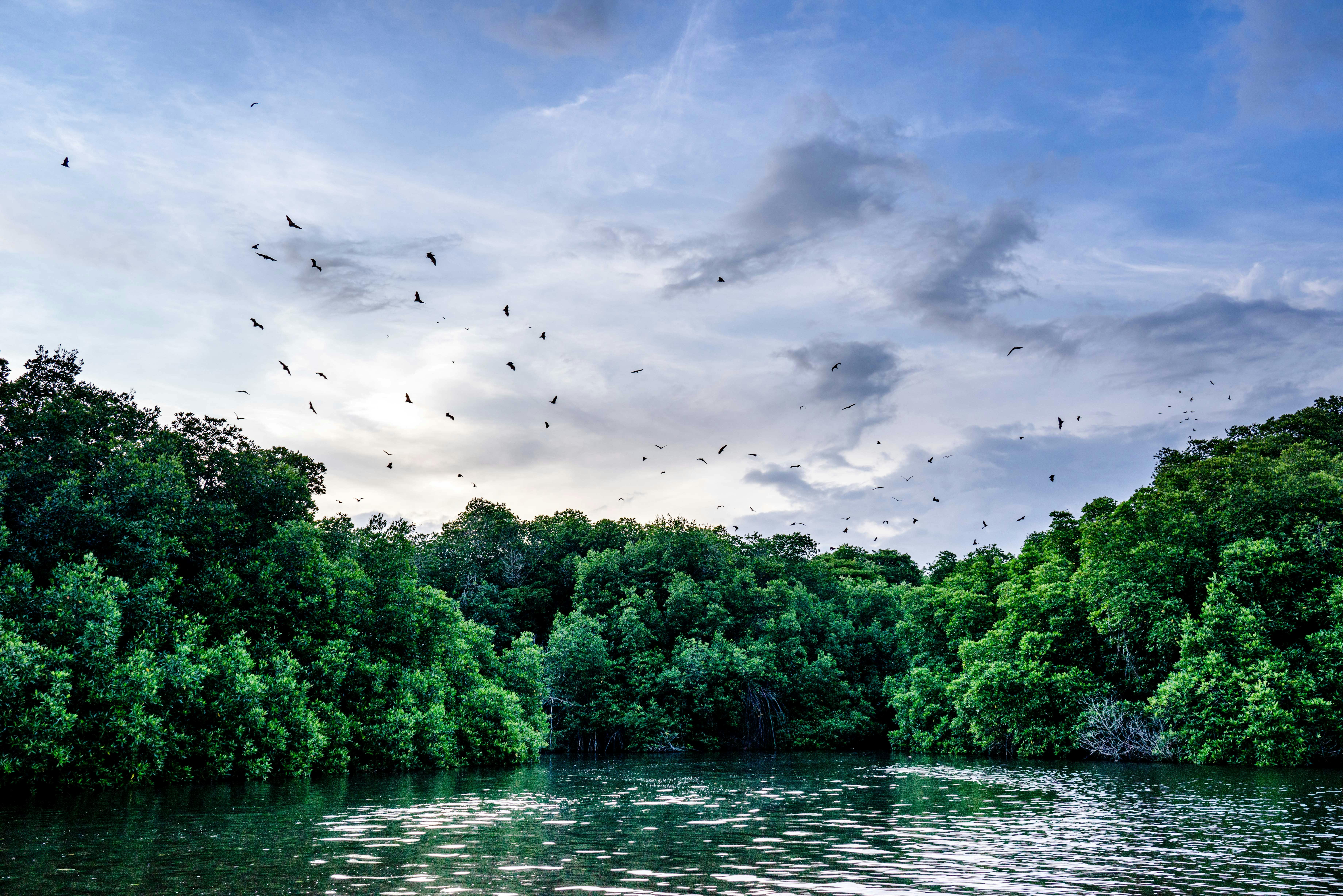
A Ghanaian waterway worth protecting.
Founded by a Ghanaian-American urban planner, built for every Ghanaian community, GreenPulse Ghana applies professional planning expertise and academic research to restore land, plant trees, and build the open environmental data Ghana has never had.
Ghana's towns and cities are growing faster than their environmental infrastructure can support. Waterways become blocked and stagnant. Open land fills with waste. Green space disappears. And the data needed to fix these problems, where the dump sites are, where the trees are, where the flooding happens, where sanitation fails, has never been systematically collected.
GreenPulse Ghana was founded to close that gap. Not with large-scale infrastructure projects or top-down interventions, but with a simple, repeatable model: find a degraded site, document it fully, treat it properly, replace the harmful practice with a sustainable system, and hand the land back to the community in better condition. Then do it again, in the next town, in the next region, until the model has touched every corner of Ghana's 16 regions.
The organisation began with a single before-and-after photograph of a restored waterway in Akyem Tafo, Eastern Region, the founder's hometown. That image proved what professional urban planning knowledge, applied at the community level, can achieve. GreenPulse Ghana is the vehicle for scaling that proof.
To restore degraded land, water and green spaces in Ghanaian communities through evidence-based environmental planning, open data and direct community partnership — one site at a time.
A Ghana where every community has clean waterways, healthy land and access to green space, supported by freely available environmental data and a culture of sustainable land stewardship.
A Ghanaian waterway worth protecting.
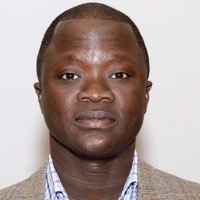
Henry Ayakwah
Founder & President
MUP, Virginia Tech · PhD Candidate, Morgan State University · Faculty, Towson University
Henry Ayakwah is a Ghanaian-American urban planner, academic and community development practitioner raised in Akyem Tafo, Ghana, where he attended CRIG Junior High School. He serves as faculty at Towson University, where he teaches Metropolitan Studies.
Before entering academia, Henry worked as a Development Review Planner with Baltimore County Department of Planning in Maryland, building direct expertise in land use, environmental assessment and community development. His research focuses on urban design, sustainable urban development, urban nutrition and urban open space, the precise disciplines that underpin every GreenPulse Ghana programme.
As Founder and President, Henry sets the strategic direction of GreenPulse Ghana, leads international partnerships and academic collaborations, and ensures the organisation's methodology upholds the highest professional planning standards. He actively bridges academic institutions in the United States with GreenPulse Ghana, creating pathways for collaborative research, student field engagement and the exchange of planning knowledge that directly benefits the organisation's work and the communities it serves.
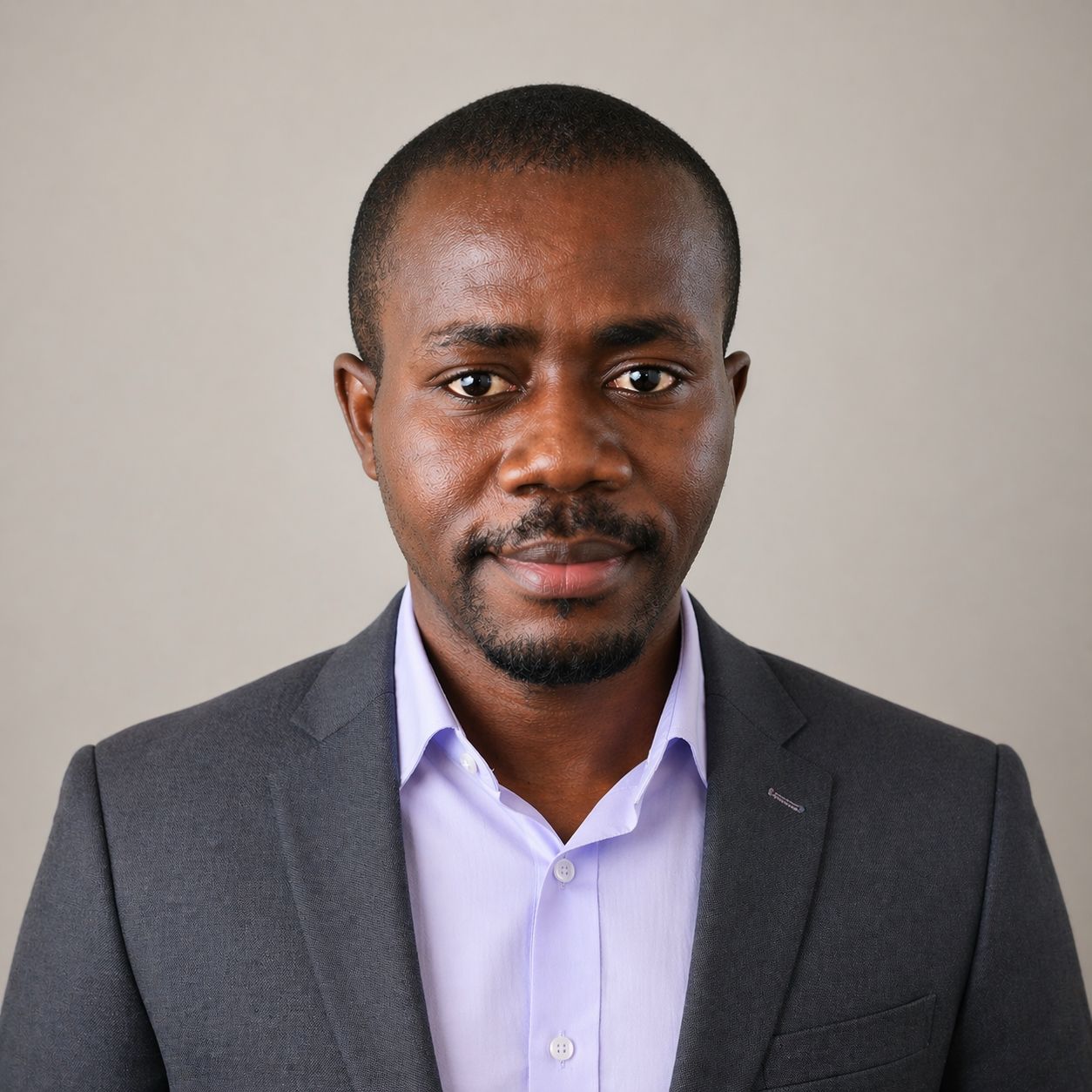
Seth Boamah Asante
Executive Director
University of Ghana · Senior Research Officer, IFPRI-Accra · Development Strategies & Governance Unit
Seth Boamah Asante is an agribusiness professional and researcher with more than a decade of experience in policy analysis and programme support across agri-food systems in Africa. Raised in the CRIG Employee Quarters, Akyem Tafo, where he attended CRIG Junior High School, he studied at the University of Ghana and has built his career at the International Food Policy Research Institute (IFPRI) in Accra, where he serves as Senior Research Officer and leads country-level research engagement for Ghana.
His work centres on generating policy-relevant evidence and supporting the design and implementation of agricultural and food system programmes through close collaboration with government institutions, development partners, the private sector and civil society. His research and advisory expertise spans agricultural, environmental and applied economic issues, with strong implications for development policy and practice across the continent.
As Executive Director, Seth provides overall operational direction, oversees programme implementation across all units, and ensures GreenPulse Ghana remains aligned with its mission and long-term institutional goals.

Frederick Kwaku Asante
Office Manager
BSc Human Settlement Planning, KNUST · MSc Land Policy & Administration, University of Cape Coast · Member, Ghana Institute of Planning
Frederick Kwaku Asante is a Ghanaian land use and settlement planning professional raised in Akyem Tafo, Ghana, where he attended CRIG Junior High School. He holds a Bachelor of Science in Human Settlement Planning from the Kwame Nkrumah University of Science and Technology (2010) and a Master of Science in Land Policy and Administration from the University of Cape Coast (2021), bringing over a decade of experience in human settlement planning, land policy and community development.
Frederick also holds an Executive Strategic Leadership and Management certificate from the Jacob Abbey Global Institution for Leadership Studies (2024) and is a registered member of the Ghana Institute of Planning. His combination of technical planning expertise, land governance knowledge and on-the-ground presence in Ghana makes him ideally placed to support GreenPulse Ghana's day-to-day operations and community engagement in-country.
As Office Manager, Frederick coordinates administrative functions, supports field programme logistics, and serves as the primary point of contact for in-country institutional relationships and community partnerships.
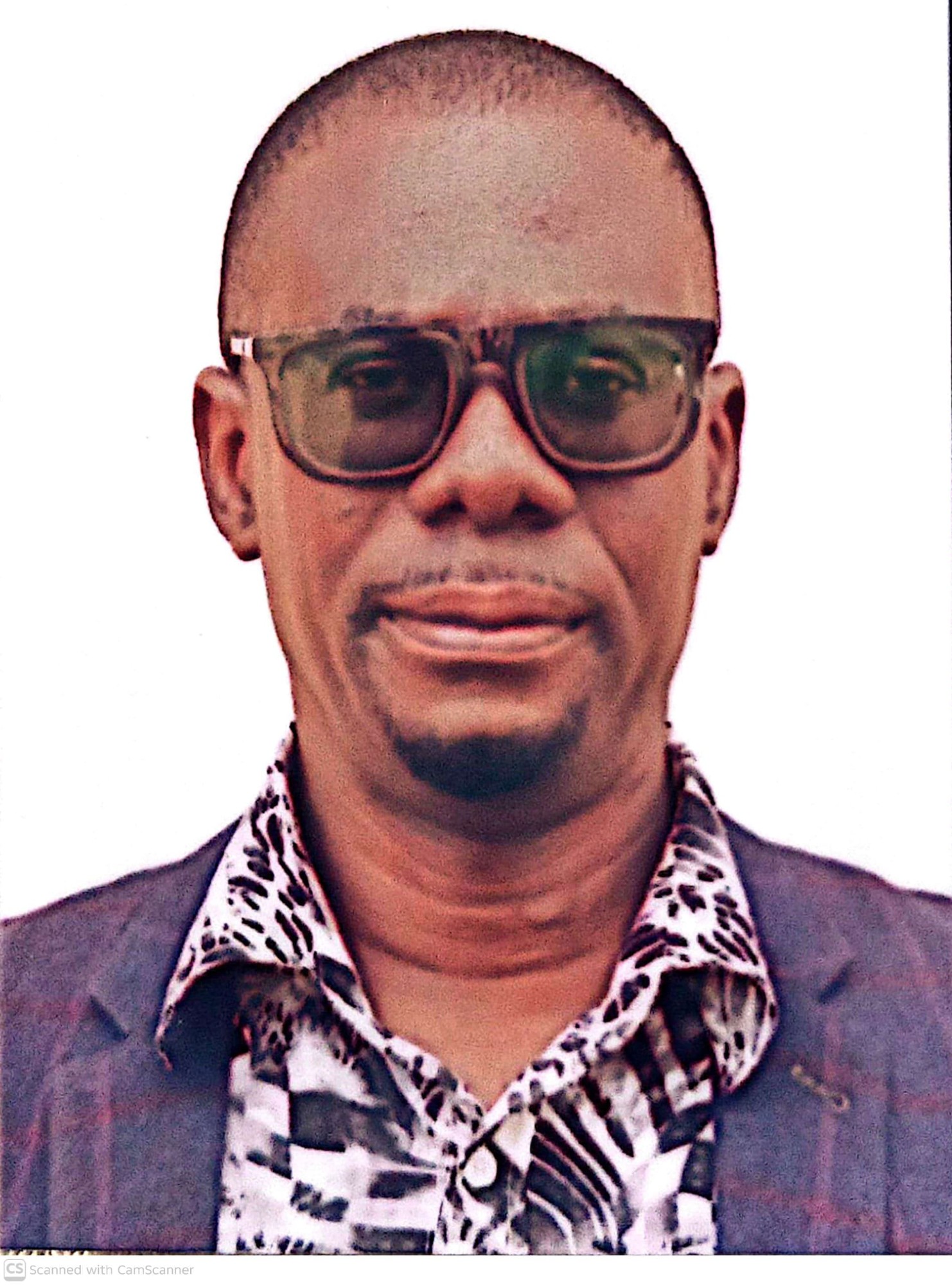
Christian Billon Yeboah
Finance & Accountability Officer
MSc Accounting, University of Cape Coast · Head of Department, Ofori Panin Senior High School
Christian Billon Yeboah is a qualified accounting professional with a Master of Science in Accounting from the University of Cape Coast. He currently serves as an Accounting Teacher and Head of Department at Ofori Panin Senior High School, where he oversees financial instruction and departmental administration.
In his role at GreenPulse Ghana, Christian is responsible for recording and tabulating all organisational expenditures and project-related financial transactions. His work ensures that every cedis and dollar contributed to GreenPulse Ghana's restoration projects is properly accounted for, transparently reported, and traceable — underpinning the organisation's commitment to financial accountability and donor trust.
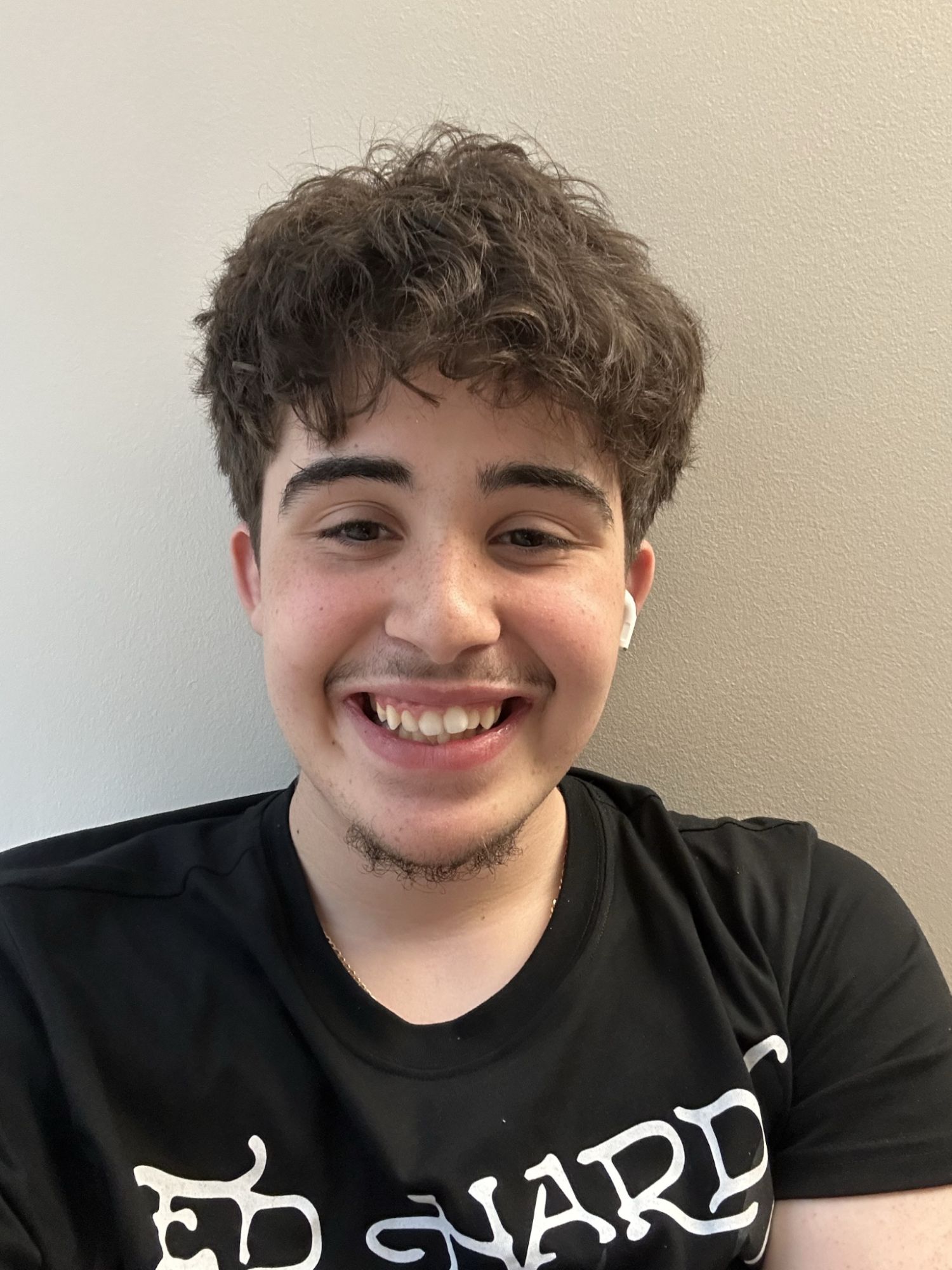
Braden Kelly
Social Media Associate
Undergraduate Student, Towson University
Braden is an undergraduate student at Towson University who brings energy and creativity to GreenPulse Ghana's digital communications. As part of the social media management team, he supports the organisation's online presence — helping to amplify field work, restoration milestones, and community stories to audiences in Ghana and beyond. Braden's involvement reflects GreenPulse Ghana's commitment to engaging the next generation of environmentally conscious communicators.
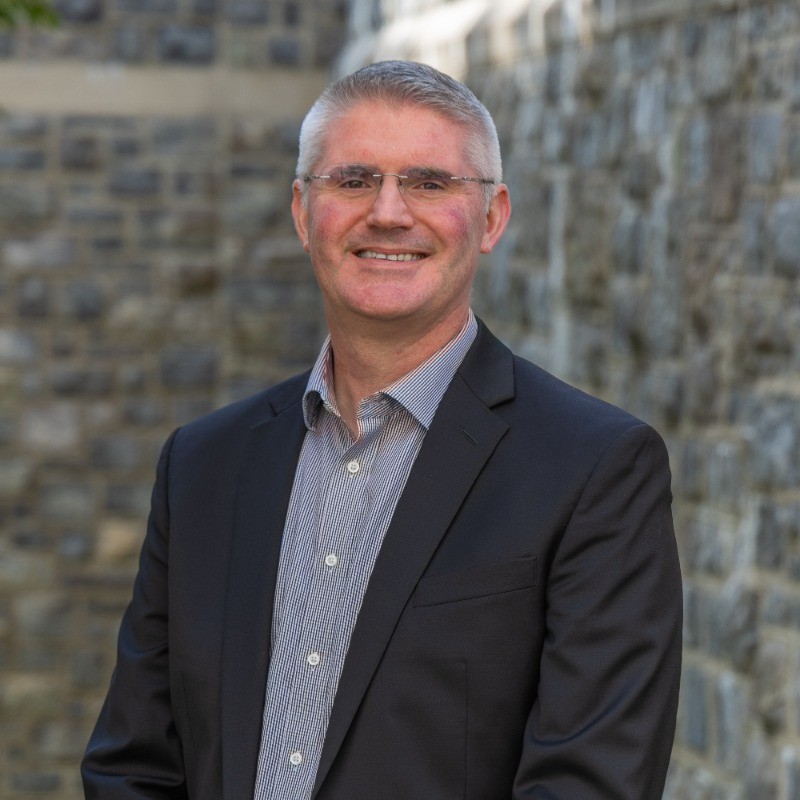
Ralph Hall
Academic Advisor — Sustainable Development & Water Systems
Professor, Urban & Environmental Policy and Planning, Virginia Tech · The Universities at Shady Grove
Ralph Hall is a Professor of Urban and Environmental Policy and Planning at Virginia Tech, affiliated with The Universities at Shady Grove. With over two decades of academic and professional experience, his work centres on applying sustainable development concepts to socio-technical systems, with a particular emphasis on transportation in developed regions and rural water supply and sanitation in developing regions.
His expertise in water systems and environmental planning in developing contexts makes him a highly relevant voice for GreenPulse Ghana's field work, where community water body restoration and sustainable land use sit at the heart of our mission.

Max Stephenson
Academic Advisor — NGO Governance & International Development
Professor, Urban Affairs & Planning, Virginia Tech · Director, Virginia Tech Institute for Policy and Governance
Max Stephenson is a Professor of Urban Affairs and Planning and Director of the Virginia Tech Institute for Policy and Governance. His scholarship and practice focus on nonprofit and non-governmental organisation governance, leadership and management, peacebuilding, international development, democratisation, and community change processes.
His deep expertise in NGO governance and international development provides GreenPulse Ghana with vital strategic guidance as the organisation grows its institutional framework, develops community partnerships, and navigates the intersection of environmental restoration and development policy in Ghana.
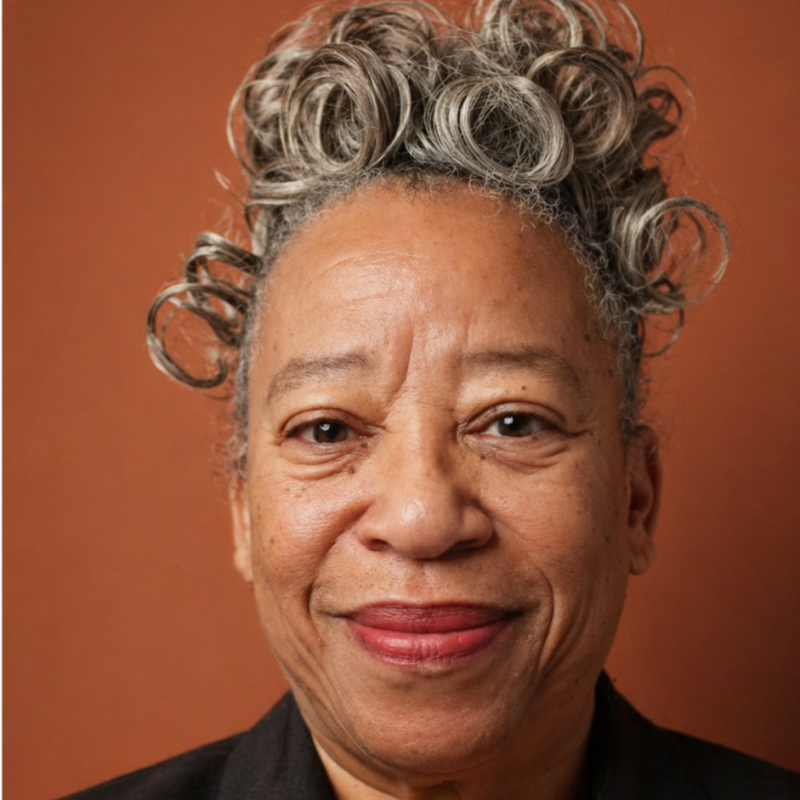
Elizabeth Glenn
Advisor — US–Africa Partnerships & Community Development
Chair, US Africa Collaborative, Inc. · Center of Excellence for Sustainable Smart Villages · Essex, Maryland
Elizabeth Glenn serves as Chair of the US Africa Collaborative, Inc. and is affiliated with the Center of Excellence for Sustainable Smart Villages. Based in Essex, Maryland, she brings extensive experience building partnerships between American institutions and African communities, with a focus on sustainable development, community empowerment and smart village solutions.
Her network and experience in US–Africa collaboration make her an invaluable advisor to GreenPulse Ghana as we develop cross-Atlantic partnerships, seek international funding, and position our work within the broader landscape of African sustainable development.

Maduabuchi Pascal Umekwe, PhD, PMP
Advisor — Engineering, Economics & Project Management
Engineer | Economist · ConocoPhillips · University of Alaska Fairbanks · PMP Certified
Maduabuchi Pascal Umekwe is a PhD-qualified Engineer and Economist currently with ConocoPhillips and affiliated with the University of Alaska Fairbanks. He holds a Project Management Professional (PMP) certification and brings expertise in problem framing, solution engineering, interdisciplinary collaboration, project monitoring and execution, economics and commercial analysis, and applied data science.
His combination of engineering rigour, economic analysis and project management expertise provides GreenPulse Ghana with critical technical oversight — ensuring that our restoration projects are designed, costed and executed to professional standards, and that environmental data collection efforts meet the bar required for research-grade outputs.
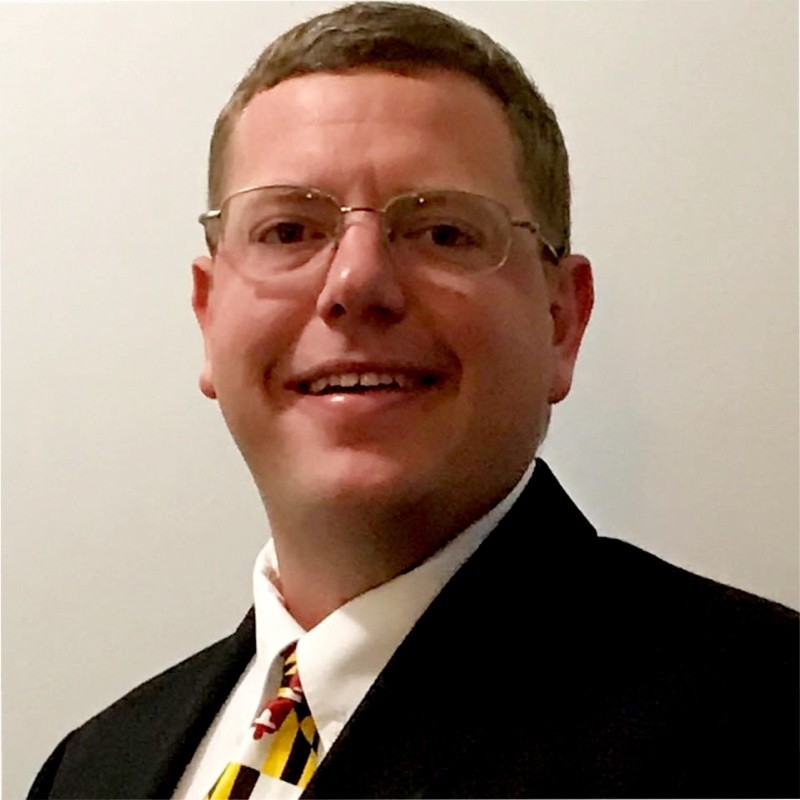
Andrew Gray, AICP
Advisor — Land Use Planning & Environmental Assessment
AICP Certified Planner · Adjunct Faculty, Towson University · APA Maryland Professional Development Officer
Andrew Gray is an AICP-certified professional planner with extensive experience in city and county planning practice across Maryland. He serves as Adjunct Faculty at Towson University and as Professional Development Officer for the American Planning Association's Maryland Chapter, where he supports the continuing education and professional growth of planners across the state.
With a career spanning development review, project management and planning policy, Andrew brings deep practical knowledge of land use, environmental assessment and community development to his advisory role at GreenPulse Ghana. His connection to Towson University and the broader planning profession in the United States makes him a vital bridge between GreenPulse Ghana's field work and the academic and professional planning community.

Annette Jensen, DTM
Advisor — Marketing, Communications & Administration
Independent Marketing Executive · Executive Assistant & Project Coordinator · Greater Richmond Region, Virginia
Annette Jensen is an experienced Independent Marketing Executive, Executive Assistant and Project Coordinator based in the Greater Richmond Region of Virginia. She holds the Distinguished Toastmaster (DTM) designation — one of the highest levels of achievement in communication and leadership development — and brings a proven track record of inspiring and motivating teams, delivering organisational excellence, and managing complex projects with accuracy and professionalism.
Annette's expertise in marketing strategy, administrative coordination and stakeholder communication brings vital operational and communications capacity to GreenPulse Ghana's advisory team, supporting the organisation as it grows its outreach, donor engagement and institutional presence.
Every site we work on is fully documented before we touch it. GPS coordinates, photographs, waste classification, soil assessment, proximity to homes and water. Data drives every decision we make, because that is what professional planning requires.
No physical work begins without the agreement of the community, the local chief and the District Assembly. We present evidence, explain the plan, listen to concerns, and proceed only when there is genuine agreement. The land belongs to the community, we are invited guests doing a job.
Everything we collect is published freely in the Ghana Data Commons, available to planners, researchers, NGOs, donors, government bodies and communities without restriction. Ghana's environmental data belongs to Ghana.
Open burning of waste is one of the environmental harms we are working to correct. We do not use it as a method at any site, under any circumstances. Every site is treated without fire.
GreenPulse Ghana applies the same planning methodology, documentation rigour and community engagement standards that professional urban planners use in any jurisdiction. Our work in Ghanaian communities is held to the same standard as our work in the United States.
GreenPulse Ghana is designed to be financially self-sustaining over time, not permanently dependent on grant funding. We build five income streams that grow alongside our programme work.
Ghana Black: compost and biochar sales
Organic waste composted during land remediation is processed into premium biochar soil conditioner, branded Ghana Black, and sold to cacao farmers, food crop growers, nurseries and landscapers. A natural by-product of doing the land restoration work properly.
Year 2 income streamRecycled material aggregation
Plastics, metals and glass sorted during site treatment are aggregated and sold to recyclers including Coliba Ghana and Jekora Ventures. Revenue is secondary to the environmental purpose, but ensures site treatment pays for itself over time.
Year 2 income streamData and mapping service fees
GreenPulse Ghana offers its data collection and GIS mapping capability as a paid service to District Assemblies, UN agencies, development consultants and research institutions. Our university intern model keeps delivery costs low.
Year 2 income streamTree sponsorship programme
Individuals, diaspora donors, schools and corporations sponsor named, geocoded trees, from GHS 80 for a personal tree to GHS 2,000 for a corporate grove with a live branded dashboard.
Year 1 income streamCarbon credits: Year 3 and beyond
GreenPulse Ghana's geocoded tree records and documented land restoration data qualify for Gold Standard and Verra voluntary carbon market certification. By starting the data from Day 1, we position the organisation for carbon credit revenue in Year 3.
Long-term high value
GreenPulse Ghana maintains active connections to academic institutions in both Ghana and the United States. The founder's faculty position at Towson University and doctoral research at Morgan State University create direct pathways for research collaboration, student internship placements, and the publication of findings from Ghana Data Commons into peer-reviewed planning and environmental journals.
Ghanaian university partners, including KNUST, the University of Ghana, the University of Energy and Natural Resources, and the University for Development Studies, provide the student intern teams that carry out community data collection under professional supervision. This academic foundation is not incidental to GreenPulse Ghana's work. It is the reason the work is done to a standard that international funders, government bodies and research institutions can trust.
Support our work across Ghana, choose what your donation funds.
Support our work →